
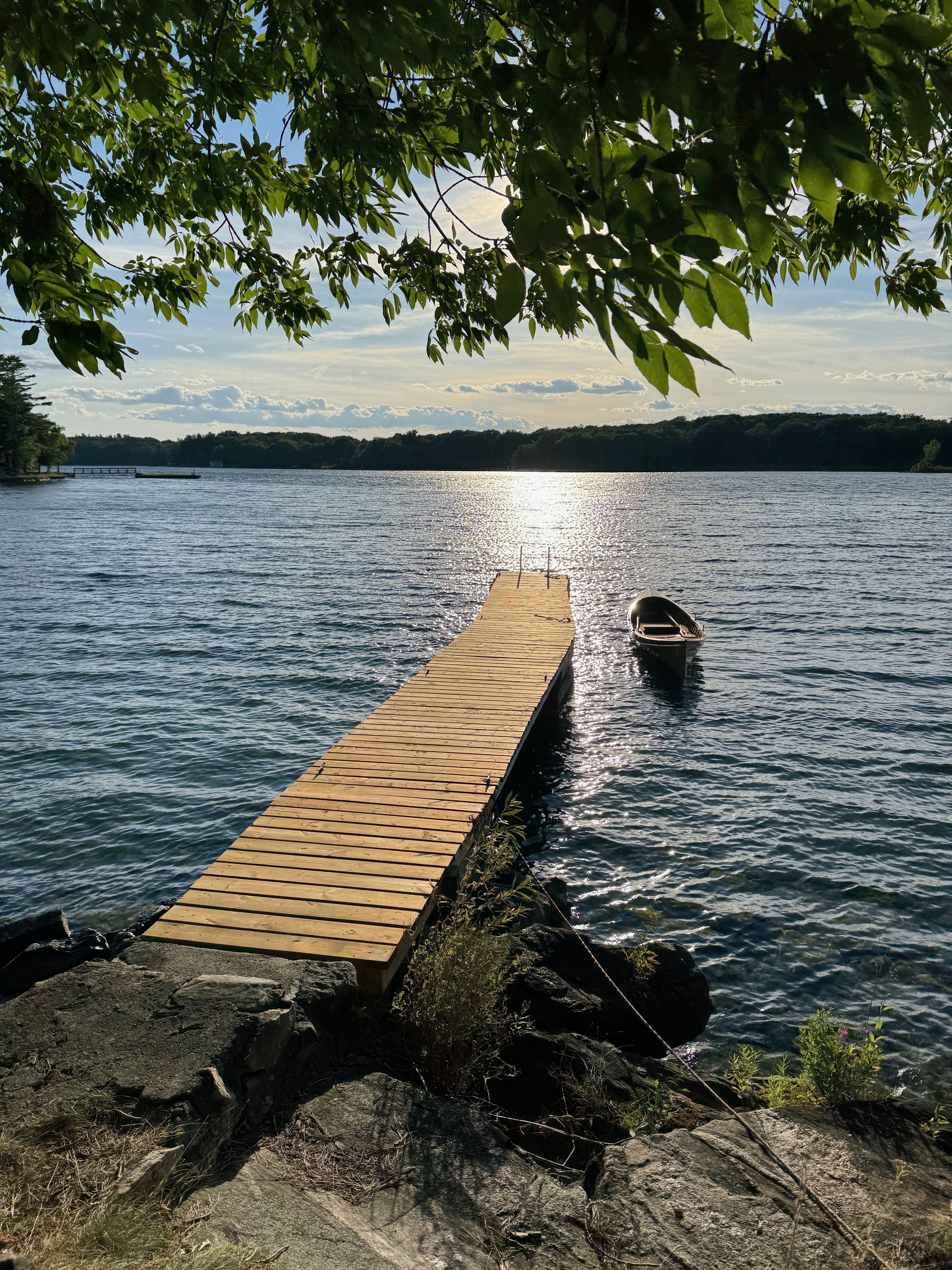
Image: The water adds sparkles to a St. Lawrence skiff moored at a Grenadier Island dock.
Photo credit: Michael Mayerfeld Bell
The Canadian Heritage Rivers System is pleased to announce the nomination of the Kaniatarowanenneh / Upper St. Lawrence River as a Canadian Heritage River. This milestone recognizes one of Canada’s most culturally significant waterways and reflects years of community dedication and partnership.
The Ontario section of the river—230 kms, from Kingston at the east end of Lake Ontario to the Ontario-Quebec border—was nominated by the Thousand Islands Alliance of River Advocates (TIARA), whose long-standing leadership and stewardship were central to moving this nomination forward. Their collaboration with Indigenous governments, local communities, and cross‑border partners helped shape a unified nomination. This effort has now been endorsed by the Honourable Todd McCarthy, Ontario Minister of Environment, Conservation and Parks, and the Honourable Julie Dabrusin, Minister of the Environment, Climate Change and Nature.
A River Shaped by Millennia
For more than 9,000 years, the Upper St. Lawrence has been a centre of Indigenous life, knowledge, and governance. The Upper St. Lawrence is a traditional gathering place, travel route, and home for Indigenous Peoples including the Haudenosaunee—particularly the Mohawk community of Akwesasne. Long before European contact, the river served as a lifeline for trade, agriculture, diplomacy, and community life.
Later, the river became a vital corridor for exploration, trade, and settlement—playing defining roles in the fur and timber trades, Loyalist migration, and conflicts such as the Seven Years’ War and the War of 1812. Its shores hold archaeological sites, historic villages, forts, canals, and the “Lost Villages” submerged during the construction of the St. Lawrence Seaway.
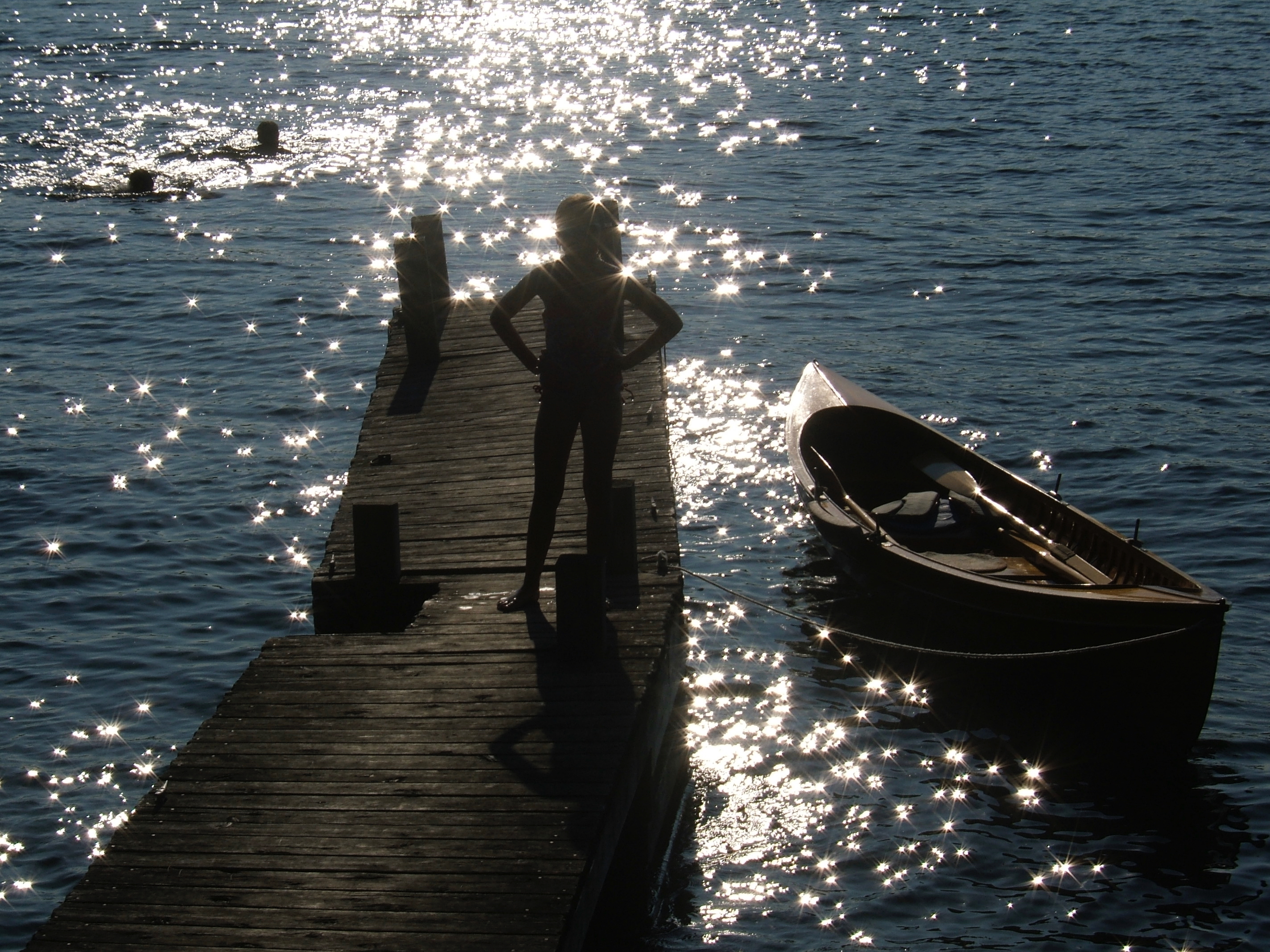
Image: Swimmers enjoying the water on a hot summer day off Grenadier Island.
Photo credit: Michael Mayerfeld Bell
Natural and Recreational Richness
The river’s natural values are equally impressive: the Frontenac Arch’s dramatic geology, rich biodiversity including more than 31 species at risk, and habitats supporting 88 fish species. The region is also internationally known for recreation—especially in the Thousand Islands—offering boating, paddling, fishing, diving, hiking, and more.
The nomination of the Upper St. Lawrence River celebrates a waterway that has shaped communities, cultures, and ecosystems for thousands of years. It also honours the collective effort—led by TIARA—that brought this recognition forward. With the nomination now in place, TIARA will guide the next phase of work toward formal designation, collaborating with Indigenous Nations, governments, community organizations, and local stakeholders. This process will involve further research, relationship-building, and the development of a shared vision and caregiving framework to ensure the river’s natural, cultural, and recreational values are recognized, protected, and celebrated for generations to come.
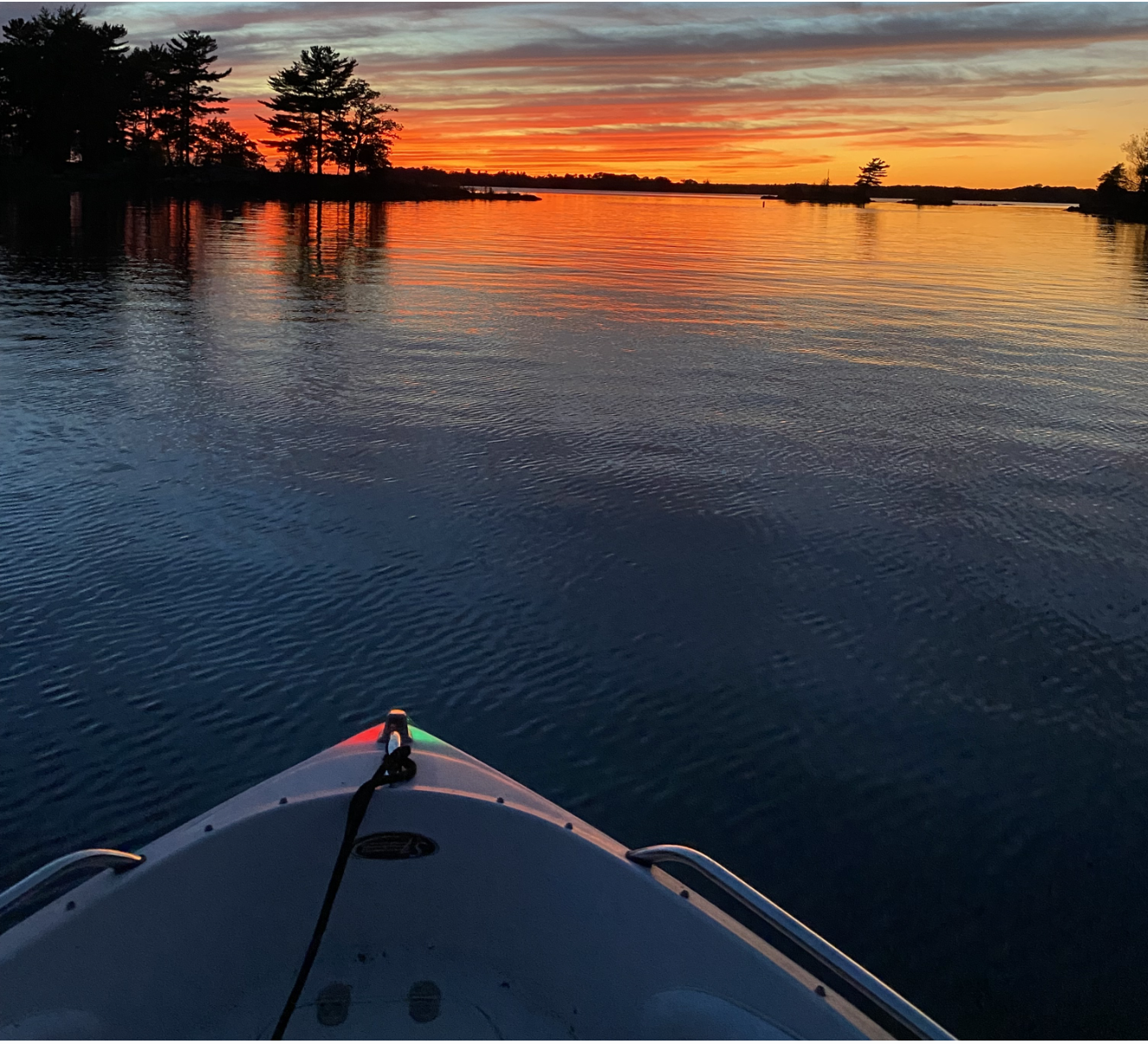
Image: Sunset boat ride home in the Gananoque Narrows, near Gordon Island.
Photo credit: Elizabeth Sterken